
Finding Her Voice, Defending Her Space: Resty Mbwali’s Journey as an Environmental Woman Human Rights Defender
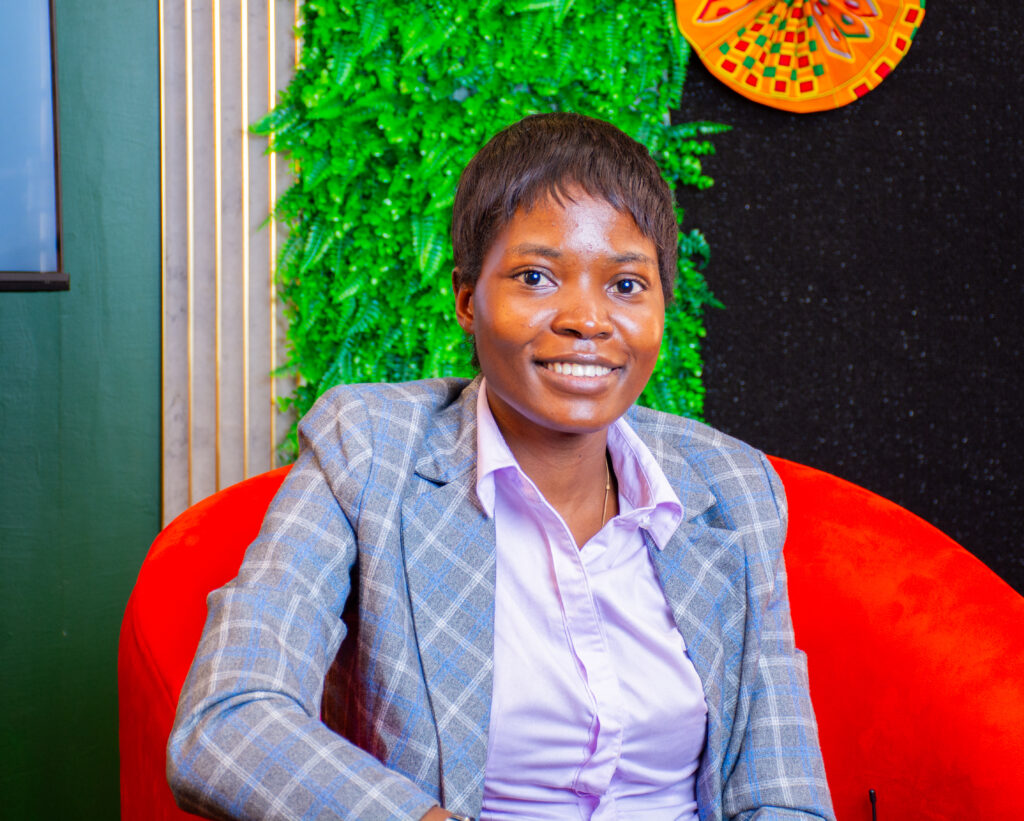
Resty Mbwali’s journey as a Woman Human Rights Defender (WHRD) is rooted in lived experience, courage, and a deep commitment to justice for women and communities affected by environmental harm. Her human rights work began in 2019 when she joined Makerere University, a period that marked the start of a steady and powerful growth into activism, leadership, and advocacy.
In 2021, Resty reached a defining moment in her journey after participating in a training with Girls for Climate Action, a women-led movement advocating for climate justice in Uganda. Through its Climate Leadership Programme, Resty was exposed to feminist leadership approaches that place women at the center of decision-making, community solutions, and environmental governance. The programme emphasized creating environments where women can participate meaningfully in leadership, influence policy, and design local solutions to challenges that directly affect their lives.
For Resty, this experience was transformative. She became actively involved in girls’ empowerment initiatives, community dialogues, and grassroots mobilization, ensuring women’s voices were heard in spaces where environmental decisions were being made. She often reflects on the reality that environmental degradation impacts women differently. From polluted water sources to deforestation and failed crops, women carry the burden of climate change daily, fetching water, collecting firewood, and ensuring food reaches the table. These realities reinforced her belief that women must have a seat, a voice, and influence in environmental discussions.
These experiences inspired her to envision and later establish the Women’s Environmental Forum Uganda, a platform dedicated to creating safe and intentional spaces for women to discuss environmental issues that affect them. Beyond climate justice, the forum seeks to address the broader environmental challenges women face, grounded in lived realities and collective solutions.
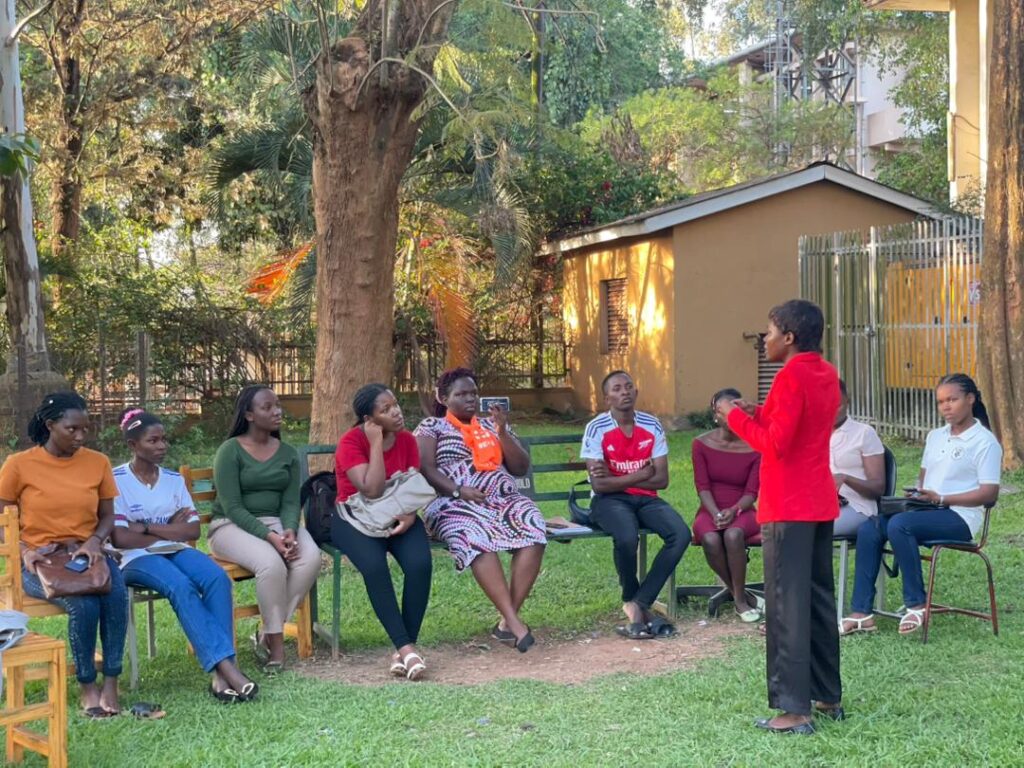
In 2023, Resty’s work intersected with CHARM through one of its partners, Civil Rights Defenders (CRD). She was selected to participate in a Training of Trainers (ToT) on physical and psychosocial security held at the DefendDefenders office in Kampala. Recommended through the Women Human Rights Defenders Network, Resty used this opportunity to share her story and deepen her skills at a critical moment in her advocacy.
“At the time, I was directly involved in collecting water samples from factories for testing, documenting environmental violations, and writing articles for a local newspaper, work that placed me at significant personal risk. As community petitions went unanswered and authorities delayed action, CRD’s support became crucial. Through trainings, emergency grants, and security support, both personal and organizational Girls for Climate Action and I were able to continue our work safely,” said Resty.
The ToT experience also introduced Resty to a regional sisterhood of EWHRDs from across the Eastern Horn of Africa, including South Sudan. Listening to shared stories of threats and resilience, she discovered that while contexts differ, the challenges women defenders face is deeply interconnected. This solidarity strengthened her confidence and affirmed her role as a facilitator and leader.
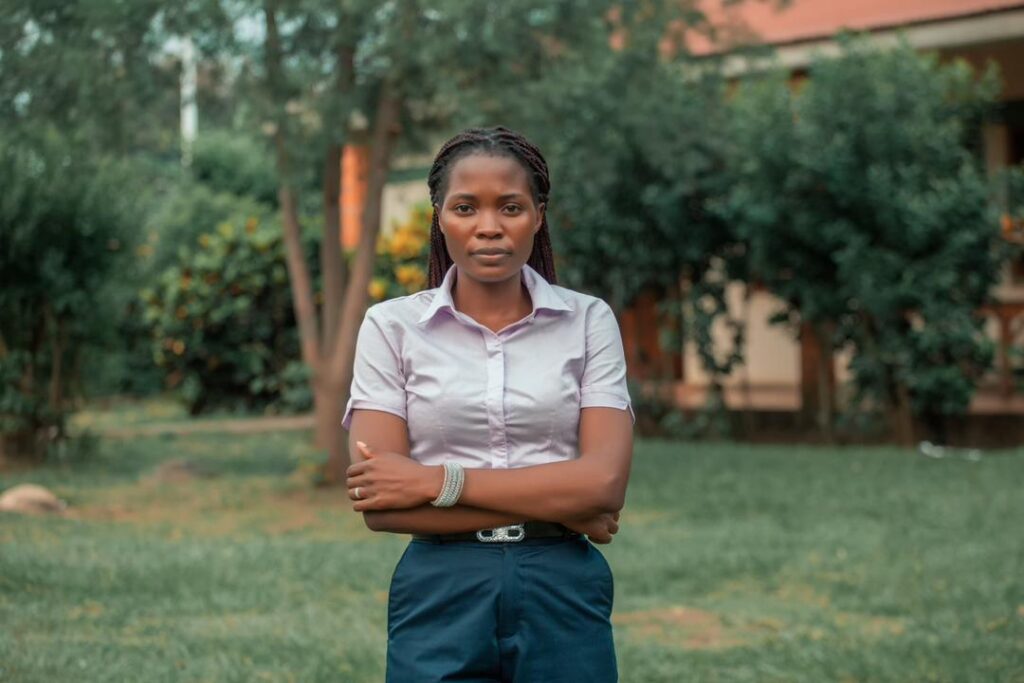
Today, Resty is regularly invited to facilitate trainings and speak on human rights, environmental justice, and women’s leadership. Beyond skills, what stood out most from her journey with CHARM and CRD was the emphasis on well-being: self-care, mental health, confidence, and healing. In moments of personal strain, these lessons helped her reclaim her strength and continue her work with renewed purpose.
Resty Mbwali’s story is a powerful reminder of why CHARM invests in women human rights defenders: when women are protected, supported, and empowered, they transform their communities and the future.